

OUR APPROACH
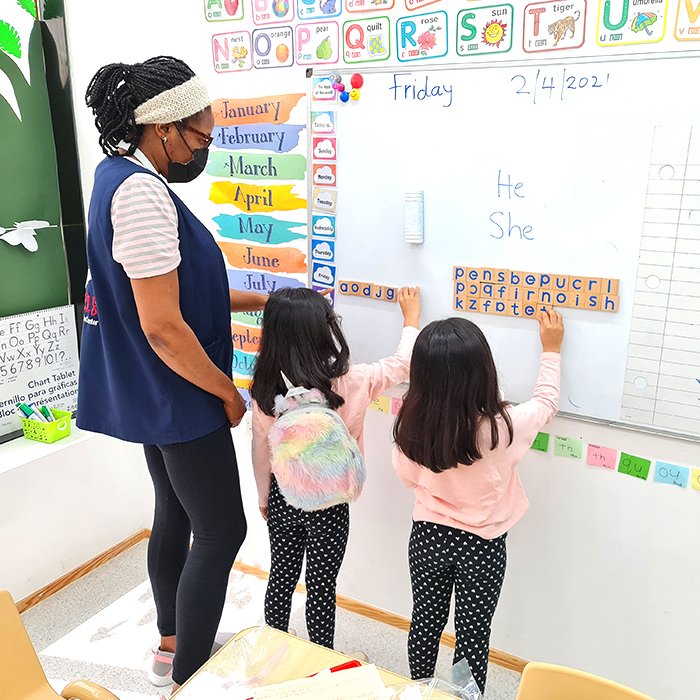
Our Intensive English Program helps students learn through repeated exposure,active practice, and continuous use of vocabulary and language structures while building confidence and academic skills.
Listening | Reading | Writing | Speaking
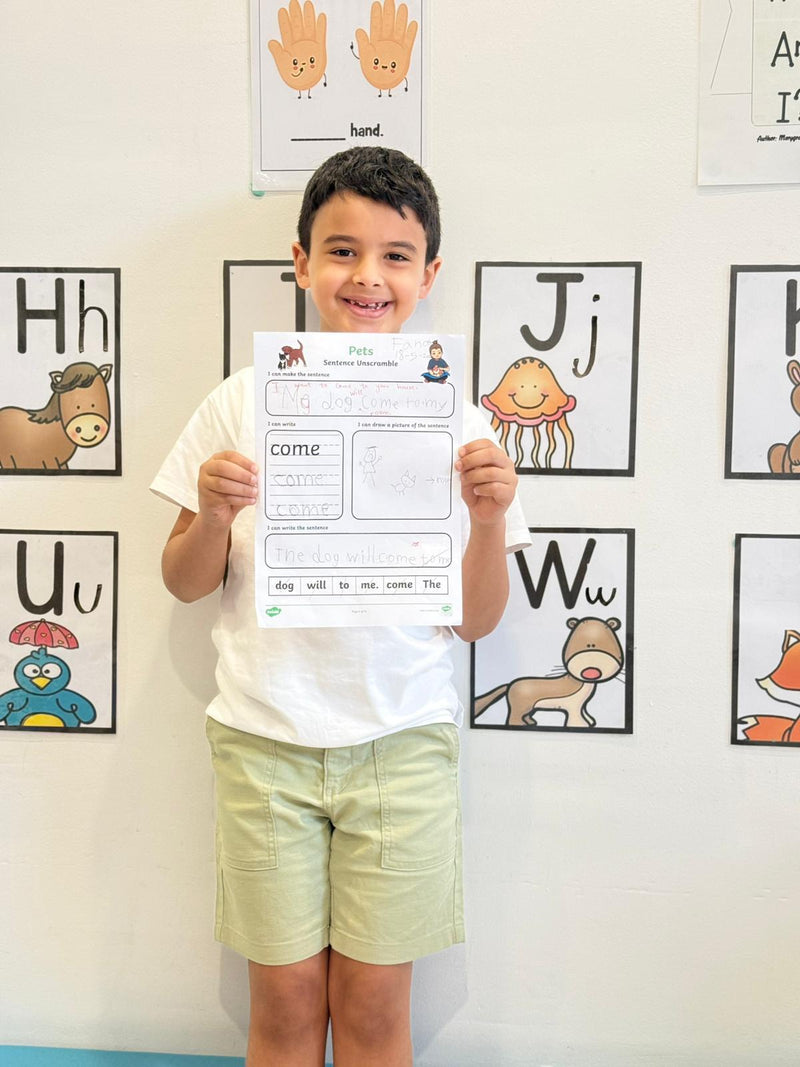
Why Parents Like Howels
WHY CHOOSE US?
- Native English-speaking teachers
- Small class sizes
- American & British curriculum-based programs
- Personalized learning goals
- Progress reports and final assessment
- Focus on Speaking, Reading, Writing & Listening
- Interactive learning environment
- Strong academic support and confidence building
Why Kids Like Howels
What Our Learning Offer?
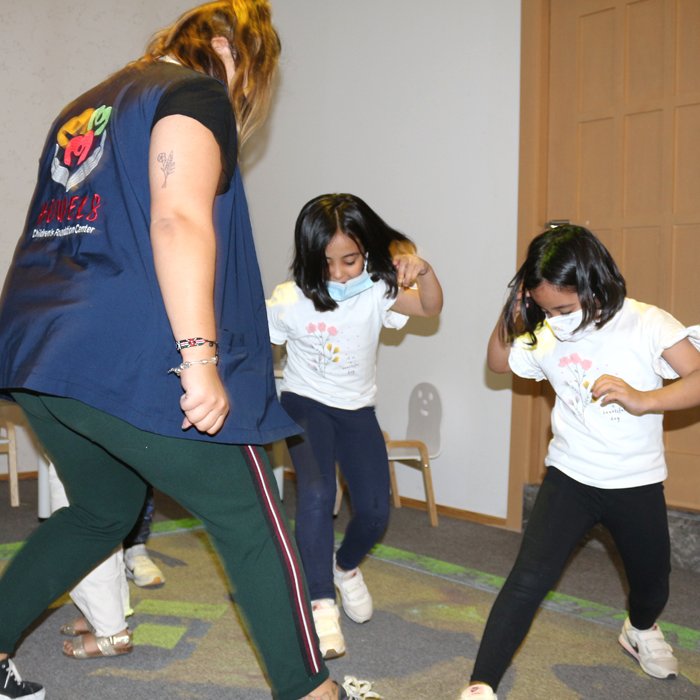
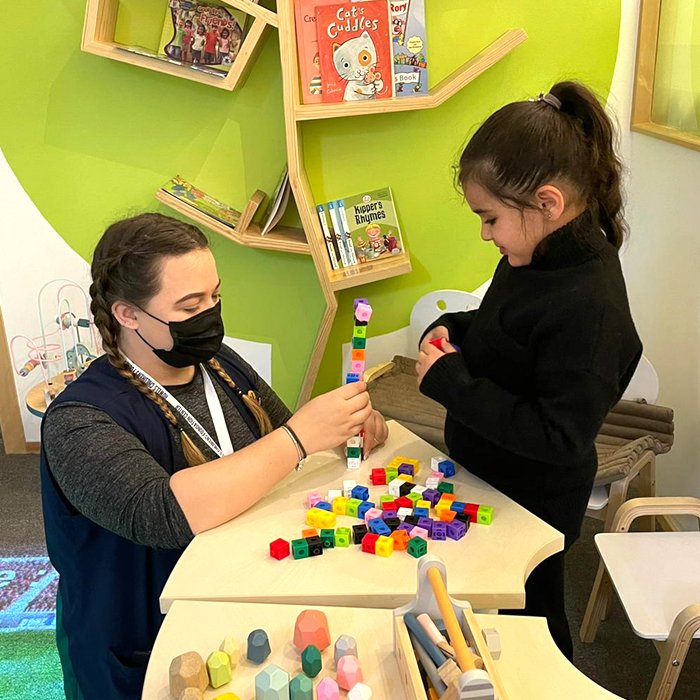
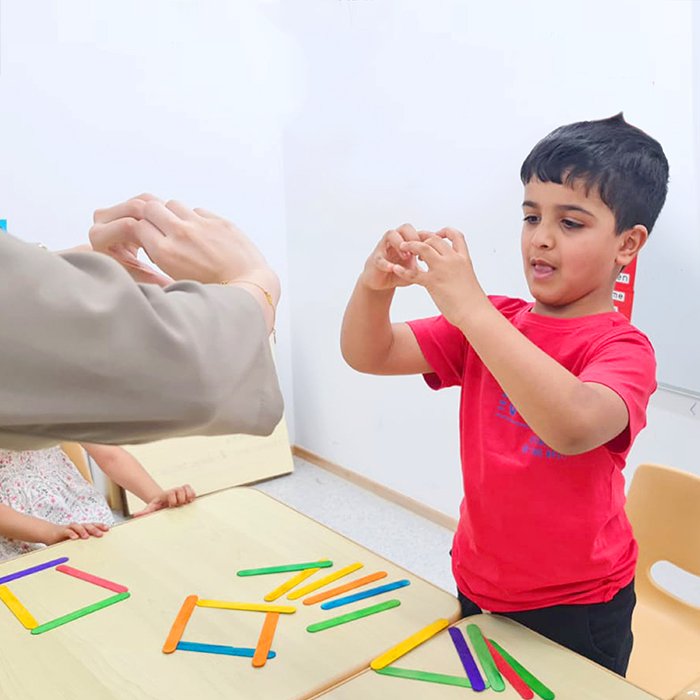
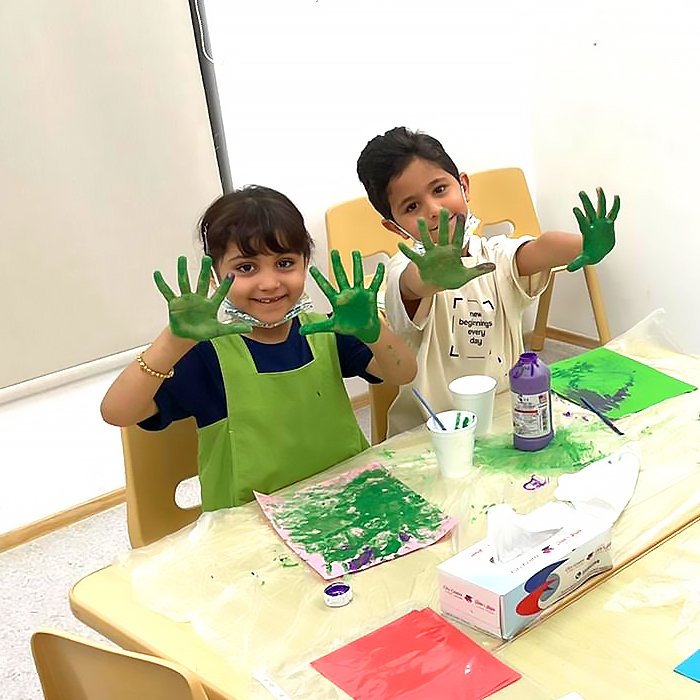
Read About What We Believe
Mission | Vision | Philosophy
OUR MISSION
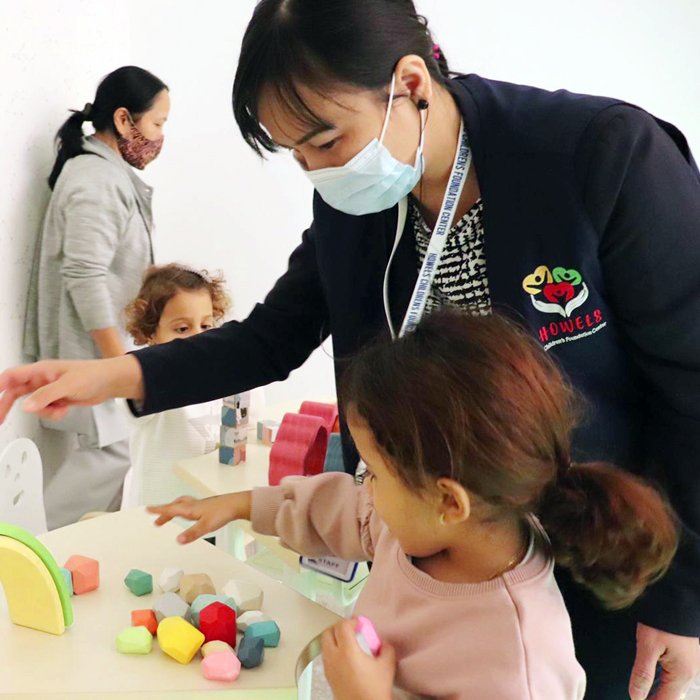
Our mission is to provide a safe, nurturing and engaging early learning environment that effectively supports the diverse needs of children and families in our community and creates a foundation for children to be able to communicate in English fluently as a lifelong learner and a critically-thinking student.
In Addition we want our students to be leaders in delivering innovative, high-quality English language speaking skills and communication skills, and to be recognized as a centre that facilitates global engagement, providing pathways to professional success.
OUR VISION
Howels English Foundation Centre will become a nationally recognized program known for providing excellence in English language through early learning experiences to young children in our community.
OUR PHILOSOPHY
- Play is the work of children.
- The safety and overall well-being of each child is our first priority.
- The classroom environment should be safe, nurturing and engaging.
- Children can be guided to develop self-control by learning to manage their bodies and emotions.
- The learning materials that we choose should be developmentally appropriate, open-ended and free of bias.
- The curriculum should meet the needs of all learners, including those with special needs and those that speak English as a second language.
- Learning experiences should be individualized to each child's specific needs and development.
- The role of the teacher is to be a facilitative guide to help children meet developmentally appropriate milestones through inspired learning.
- Teachers and families should work together as partners in both teaching and assessing children.
- Children learn best in social settings with hands-on, meaningful and constructive learning experiences.
- Learning experiences are most meaningful when the development, experiences, interests and culture of each individual child is taken into consideration.
- Learning experiences should be a balance of whole group, small group or individual teacher and child-directed activities.
- Children should be assessed on an ongoing basis using a variety of evidence-based methods to determine if they are appropriately meeting curricular objectives.
- Our curriculum should address all areas of children's development: physical, social/emotional, language & communication and cognitive.
- Everything we do should have a purpose and be grounded in best practices for children education.